
What Does a Stylist Actually Do? A Hair and Makeup Artist's Guide to Working On Set.
If you work in hair and makeup, you have shared a set with a stylist. But how often have you actually understood what they are doing, and why it directly affects your role?
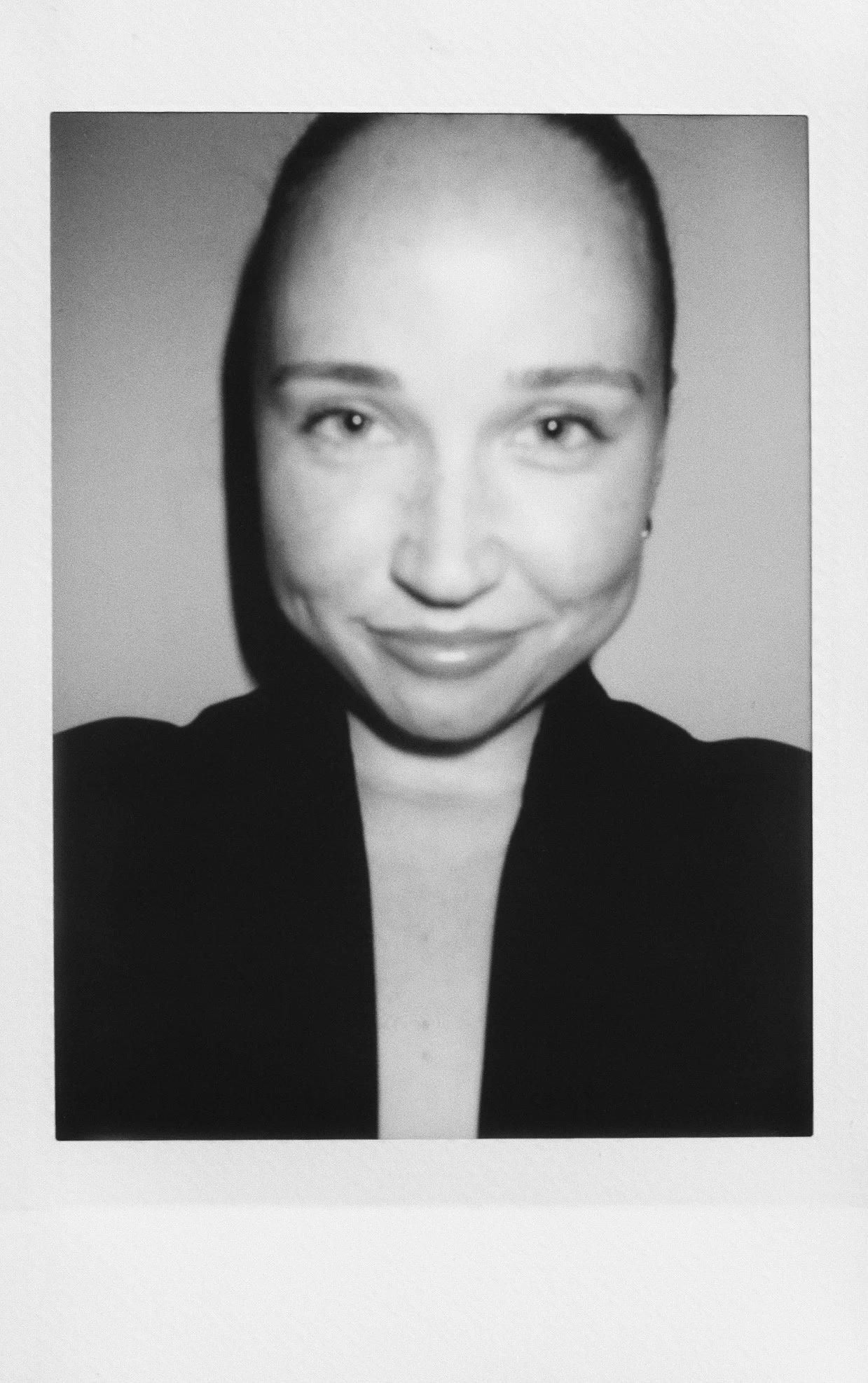
The Makeup Insider x Kate Lauren Harper
In a recent episode of The Makeup Insider, I sat down with Sydney-based stylist Kate Lauren Harper to get into the reality of what styling actually involves, how the relationship between hair, makeup, and styling works, and what we as artists can do to make that dynamic smoother.
Here is what came out of that conversation.
What a Stylist Actually Does
It is not just picking outfits. Kate explains that her role starts well before anyone sets foot on set. She works from a client brief, builds mood boards, creates decks, goes through feedback rounds, and sources garments, all often under tight timelines and tight budgets.
The sourcing alone is a full job. Online shopping, calling in pieces, working with brands, improvising when something falls through the night before a shoot. What looks effortless on camera is typically the result of a week of problem solving.
The Brief, the Mood Board, and the Feedback Loop
One thing that stood out from Kate's explanation is how much a stylist is at the mercy of client feedback. A brief can shift multiple times before shoot day. The mood board that gets approved at week one might look completely different by week three.
For us as hair and makeup artists, this context matters. When a stylist seems disorganised or the brief feels unclear on the day, it is often a downstream effect of a difficult client approval process, not poor planning.
Timelines, Budgets, and the Reality of Prep Days
Kate is honest about the gap between what clients expect and what is actually possible. Budgets are frequently set by people who do not understand what things cost. Timelines are often unrealistic.
Her approach: communicate early, set expectations clearly, and get creative within the constraints you are given.
This should feel very familiar to anyone who has been handed a brief the night before a shoot.
The Stylist and Hair and Makeup Relationship On Set
Kate describes working with hair and makeup as a "delicate dance." The purpose of the shoot determines who leads and who supports. A beauty campaign is different to a fashion editorial, and the balance of focus shifts accordingly.
The key takeaways for us as artists:
Understand the brief so you know where your work sits within the bigger picture
Communicate with styling before shoot day where possible, not just on arrival
Respect that their prep is as complex as yours, even if it looks different
Neither role overshadows the other when everyone understands the shoot's purpose.
The Unspoken Rules of Set
Kate shares a lot about set etiquette: what to wear, how to conduct yourself as an assistant, the assistant hierarchy, and what stylists notice when someone is new on set.
Most of it comes down to reading the room, showing up prepared, and not making assumptions about what you can or cannot do until you have earned the trust of the people around you.
Boundaries in Freelance: Why They Protect Everyone
Whether you are a stylist or a hair and makeup artist, scope creep is real. Last minute requests, unpaid prep, client red flags. Kate is direct: boundaries are what make a freelance career sustainable.
Setting your rates, being clear on your scope, and knowing when to say no are not just good practice. They are what separate a career that burns out from one that builds.
Getting Into the Industry
Kate's path was not glamorous in the beginning. Unpaid internships in Wollongong and Sydney. Cold emailing relentlessly. Ecomm studio work knocking out 80 to 100 looks a day. It was unglamorous, technical, and exactly what built her skills.
Her advice: reach out to people you admire, ask for mentorship, and do not take rejection personally. The people who build careers in this industry are the ones who keep going.
Key Takeaways for Hair and Makeup Artists
The brief can shift multiple timesBuild flexibility into your prep and mindset
The shoot's purpose determines the balance
Know whether it is a beauty or fashion led job before you arrive
Set etiquette is noticedHow you show up matters, especially when assisting
Boundaries protect your careerRate, scope, and timeline conversations are non negotiable
Listen to the full episode on The Makeup Insider wherever you get your podcasts.